Dealing with yard debris hauling can quickly become overwhelming, especially when you’re not sure what can be recycled and what must be thrown away. Knowing which materials from your yard are recyclable helps reduce landfill waste and keeps your property cleaner. Branches, leaves, grass clippings, and some types of wood are usually recyclable, but anything treated with chemicals or mixed with trash often isn’t.
When you choose our team here at Green Planet Hauling in Orange County, you get help sorting out what can be recycled safely from what needs to be hauled to the landfill. This makes cleanup easier for you and better for the environment.
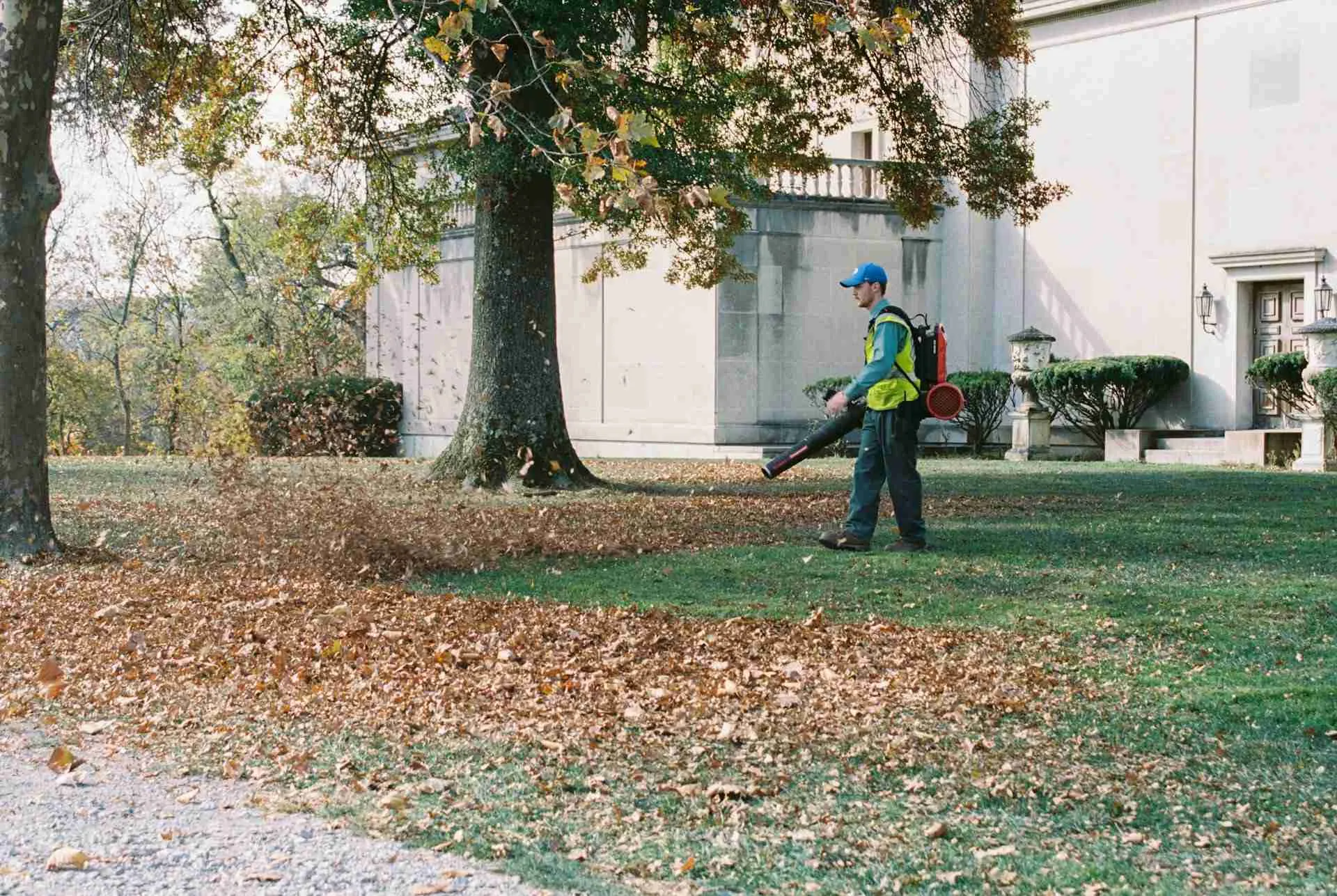
Understanding Yard Debris
Yard debris includes many materials from your outdoor space. Knowing what makes up this waste and why sorting it matters helps you manage your yard cleanup more easily and keeps the environment safer.
Common Types of Yard Waste
Yard waste includes grass clippings, leaves, branches, sticks, and plant trimmings. You may also find small pieces of wood and bark. These materials break down naturally and are often recyclable or compostable.
Some types of yard debris are not recyclable, such as treated wood, large roots, or invasive plants. Keep trash, plastics, and metals out of yard waste piles. Mixing these causes problems when hauling or processing.
We help ensure your yard debris is handled correctly by sorting and transporting recyclable yard waste responsibly.
Why Proper Sorting Matters
Sorting yard debris helps recycling centers and hauling companies process materials efficiently. When you separate recyclables from trash, you reduce landfill waste and support eco-friendly disposal.
Improper sorting can contaminate recyclable materials, causing them to be thrown away with trash. Your effort in sorting helps keep yard waste clean and usable.
Sort your debris into:
- Grass and leaves (compostable)
- Branches and wood (mulch or firewood)
- Non-recyclables (treated wood, trash)
Following this system saves you time and reduces fees when using junk removal services in Orange County.
What’s Recyclable in Yard Debris
Yard debris includes many materials you can recycle instead of throwing away. Focus on organic matter like plant waste and specific yard trimmings. Proper sorting makes recycling easier and more effective.
Organic Material Eligible for Recycling
Organic yard waste such as leaves, grass, and small plant clippings are commonly accepted for recycling. These materials break down naturally and become compost or mulch. Avoid including anything treated with chemicals or plastic bags, as these can contaminate recycling efforts.
Prepare organic yard debris by removing sticks, stones, and trash. Make sure the material is dry because wet clumps can slow down processing at recycling centers. We haul and recycle organic yard waste, making disposal simple and eco-friendly.
Tree Branches and Limbs
Tree branches and limbs are a major part of yard debris that can be recycled, but they need special handling. Cut branches into manageable sizes, usually no longer than four feet, to fit recycling equipment. Large limbs might need chipping before recycling.
These wood pieces can become wood chips, mulch, or biomass fuel. Avoid painted, varnished, or glued wood, as these are not recyclable. Sort out branches with nails or metal parts to protect recycling machines.
Grass Clippings and Leaves
Grass clippings and leaves are ideal for yard debris recycling and composting. Collect clippings without plastic bags or synthetic additives. These natural materials decompose quickly and add nutrients to compost.
Avoid mixing in invasive weeds, diseased plants, or pet waste, as these can harm the recycling process. Shred leaves to speed up decomposition. We offer reliable services that ensure grass clippings and leaves support sustainable recycling efforts.
Items That Are Not Recyclable
Some yard debris cannot be recycled due to safety or contamination risks. Recognizing these helps you avoid wasted effort and ensures proper disposal.
Treated Wood and Fencing
Treated wood often contains chemicals like arsenic, chromium, or copper to prevent rot and pests. Because of these substances, you should not recycle or compost treated wood with regular yard debris. Burning or chipping treated wood releases harmful toxins into the air or soil.
Fencing materials with nails, screws, or metal fasteners are also hard to recycle unless you remove the metal parts first. If you have old treated wood or fencing, call a professional service like our team for proper disposal, since local facilities usually do not accept these materials.
Plastic, Glass, and Metal Debris
Plastic bags, containers, glass bottles, and metal scraps are common yard debris contaminants that don’t belong in green waste recycling. Separate these items because they require different recycling processes and can damage equipment or spoil compost batches.
For example, plastic irrigation tubing can clog shredders, and glass shards pose a safety risk to workers. Metals mixed with yard debris slow down processing and cause costly repairs. Put these in designated recycling bins or arrange for specialized pickup from a hauling service.
Animal Waste and Contaminants
Animal waste from pets or livestock is not recyclable due to health risks. It can carry pathogens and should never be included with yard debris. Debris mixed with oils, paints, or pesticides is hazardous and cannot be processed with regular yard waste.
If you find contaminated materials or animal droppings in your yard debris, remove them carefully and dispose of them according to local regulations. Avoid composting these contaminants at home, as they can harm your garden and environment. We can help you identify and safely remove these items during property cleanouts.
Best Practices for Sorting Yard Waste
Sorting yard waste correctly saves you time and ensures materials are recycled properly. Knowing how to identify mixed debris, use the right bags or containers, and follow local rules makes hauling easier and eco-friendly.
Identifying Mixed Materials
Yard waste often includes leaves, branches, grass clippings, and sometimes non-organic items like plastic bags or metal stakes. Separate organic from non-organic materials right away. For example, pile up green waste like grass and leaves in one spot.
Check for anything that doesn’t break down naturally, such as plastic ties or garden hoses, and remove these for separate disposal. Keeping materials unmixed improves recycling and composting efficiency.
Broken branches larger than 4 inches across might need special handling. Remove dirt or rocks stuck to debris to avoid contamination during disposal.
Bagging and Container Guidelines
Use approved biodegradable or paper yard waste bags if you need to bag clippings or leaves. Plastic bags usually aren’t accepted for yard waste collection. Clear labeling on containers helps pick-up crews identify waste types quickly.
When using bins, keep materials loose without overpacking to prevent damage during transport. Avoid mixing household trash or recyclables with yard waste containers.
If you have heavy branches, stack them neatly beside or inside open containers. This helps crews manage your waste safely and speeds up removal. We offer guidance on packing your yard waste efficiently for fast and eco-conscious pickup.
Local Regulations and Restrictions
Rules about yard waste disposal vary by city in Orange County. Many areas require you to separate yard debris from trash and recyclable materials. Some cities restrict pickup to specific days or types of yard waste.
Check your city’s waste management website or customer service before hauling large amounts. You may find restrictions on volume, accepted waste types, or required sorting methods.
Following these rules avoids fines and ensures your yard waste is processed safely and sustainably. We can help you navigate local guidelines for responsible disposal and recycling.
Proper Disposal Methods for Non-Recyclable Yard Debris
Some yard debris can’t be recycled or composted safely. You need to handle these items carefully to avoid harming the environment or breaking local rules. Knowing where and how to dispose of them will save you time and prevent problems.
Landfill Disposal
Non-recyclable yard debris like treated wood, large stumps, or plant material contaminated by chemicals usually belongs in landfills. Before dumping, check local regulations because many landfills require you to separate recyclable materials from trash. Bag or contain these items to prevent scattering or contamination.
Landfill disposal is a last resort when items cannot be reused or recycled. You can contact our team in Orange County for help hauling these items efficiently. Proper landfill disposal keeps your yard clean and follows local waste management rules.
Hazardous Waste Facilities
Certain yard debris may carry hazardous elements, such as pesticides, herbicides, or oil-contaminated soil. Never put these items in regular trash or landfills. Instead, take them to hazardous waste facilities designed to handle dangerous materials safely.
Hazardous waste sites manage these substances so they don’t pollute soil or water. Check for special collection days or drop-off locations nearby. Handling hazardous yard debris through the right channels protects your family and the environment from toxic exposure.

How Hauling Services Handle Yard Debris
When you hire a hauling service for yard debris, they follow specific steps to make sure materials are sorted and handled correctly. This reduces waste sent to landfills and ensures recyclables are processed properly. Proper equipment and collection methods also make the process faster and safer for you.
Separation Processes
Hauling crews sort yard debris into groups before disposal or recycling. Common categories include leaves, branches, grass clippings, and dirt. Some materials like large branches go to chipping or compost facilities. Leaves and grass can be composted, turning waste into useful soil.
Services separate non-recyclable items such as treated wood or trash mixed in with yard waste. This prevents contamination that can ruin batches of compost or recycling. Sorting happens at the pickup site and again at the processing center.
Equipment and Collection Methods
Hauling services use trucks with special compartments or trailers designed for yard waste. Some trucks have compactors to hold more material and reduce trips. Workers use rakes, tarps, or blowers to gather your debris efficiently.
For bulky or heavy items like large branches and stumps, crews may use chippers or bobcats. These tools speed up collection and keep the process safe. Using the right gear ensures quick service and less disruption to your day.
If you’re in Orange County, Green Planet Hauling offers reliable hauling with an eco-friendly focus, making your yard cleanup hassle-free and responsible. You can expect clear communication and fast pickups for your yard debris needs.
Environmental Impact of Yard Debris Disposal
Yard debris disposal affects more than just your property. How you handle leaves, branches, and grass clippings shapes landfill volume and resource use. Proper disposal methods also support recycling efforts that benefit the environment and community.
Reducing Landfill Waste
When yard debris ends up in landfills, it takes up space that could be saved for non-recyclable trash. Organic waste like leaves and grass breaks down slowly and produces methane, a harmful greenhouse gas.
Recycling or composting yard debris can cut the amount sent to landfills by up to 30%. This reduces methane emissions and lowers the burden on landfill sites in Orange County.
Items such as untreated wood, brush, and grass clippings are ideal for recycling programs.
Benefits of Responsible Recycling
Recycling yard debris turns waste into useful products like mulch or compost. Mulch helps your garden retain soil moisture and control weeds. Compost adds nutrients to soil, so you need fewer chemical fertilizers.
Keeping yard waste out of landfills supports cleaner air by lowering pollution from trucks that haul waste long distances. When you choose eco-friendly junk removal, you help create healthier neighborhoods.
We recycle as much as possible to help you meet your cleanup goals and protect Orange County’s environment. This method saves resources and supports sustainability in your community.
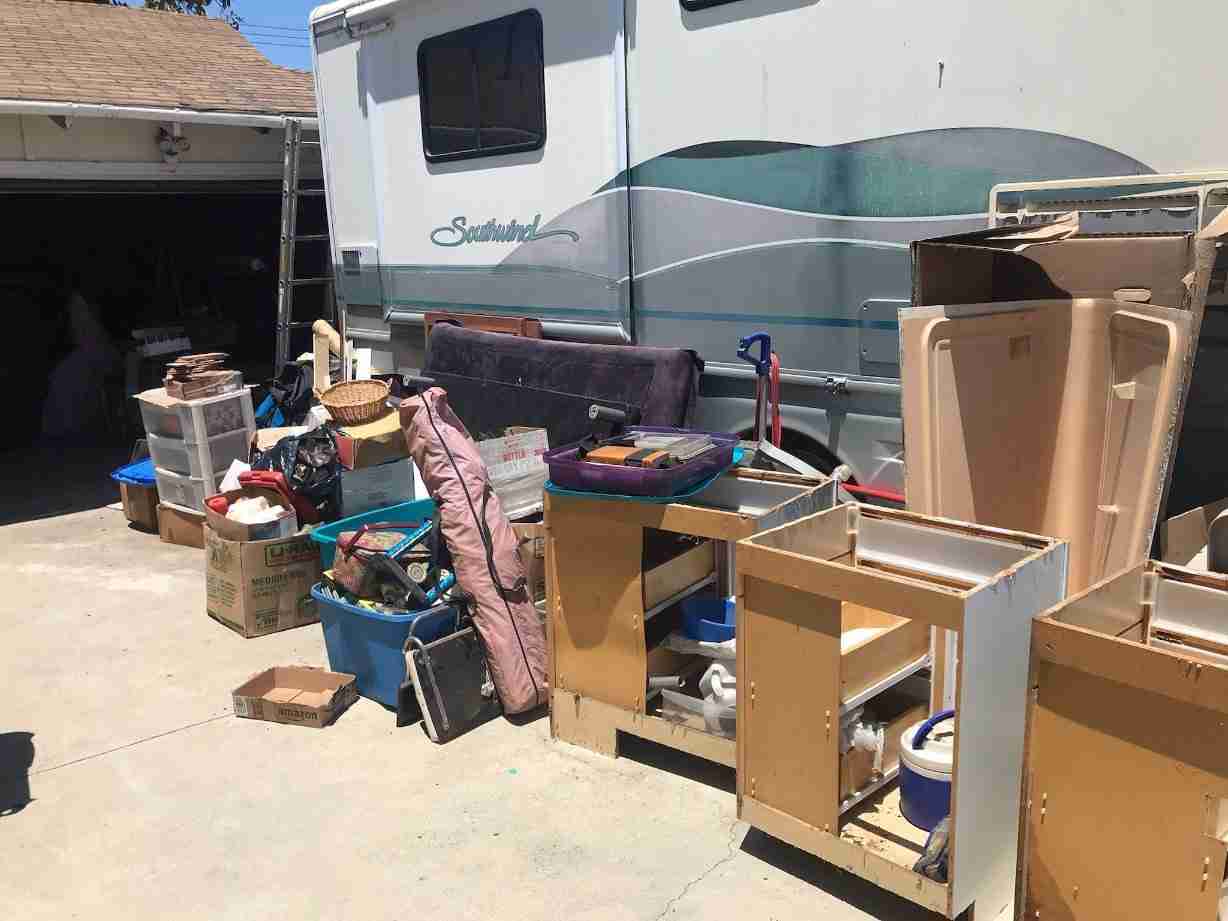
We Take All Sorts Of Items
From Yard debris, to fallen trees, branches, brushes, sod, rubbish removal, miscellaneous junk pick up, commercial junk pick up, industrial machine removal, clean ups, backyard cleanouts, discontinued inventory, restaurant retail cleanouts, office cleanouts, shed demolition and removal, hot tub removal, and more. Give us a call today!
Frequently Asked Questions
Yard debris hauling means sorting items that can be recycled from those that cannot. Knowing which materials waste management accepts, where to dispose of them for free, and which items should not go in regular trash helps you avoid fines and keeps your yard clean.
What items are included in yard waste pickup by waste management companies?
You can usually include leaves, grass clippings, branches, and small tree limbs. Some services also accept garden trimmings and plant debris. Do not place soil, rocks, or plastic bags in yard waste bins.
How can I find free yard waste disposal facilities near me?
Check your city or county’s official website for approved drop-off sites. Some facilities offer free disposal days or seasonal events. You can also call local waste management services for details.
Are there specific periods when yard waste pickup by waste management is free?
Many areas offer free yard waste pickup during spring and fall cleanup seasons. These times help residents clear large amounts of debris after storms or pruning.
Which yard waste materials are considered non-recyclable?
Materials such as dirt, treated wood, plastics, and pet waste are not recyclable. Do not put these in your yard debris bin to avoid contamination and extra fees.
Can yard debris like grass clippings and leaves be placed in regular garbage bags for disposal?
Most companies require yard waste in special biodegradable bags or loose in bins. If you put grass clippings or leaves in regular plastic bags, your waste may be rejected or you may be charged extra.
What are the current recycling guidelines for garden waste and debris?
Cut branches should be under 4 feet long and tied in bundles. Place leaves and grass loosely or in compostable bags. Sort materials correctly so they can be composted or recycled.
For professional yard debris removal and eco-friendly disposal in Orange County, Green Planet Hauling offers responsible hauling to reduce landfill waste. Learn more about miscellaneous junk pick up and proper recycling methods.
What’s your service area in Orange County CA?
Green Planet Hauling serves all 34 cities in Orange County Ca. including fullerton, Rowland Heights, La Habra, Brea, Los Alamitos and our headquarters city of Santa Ana.