
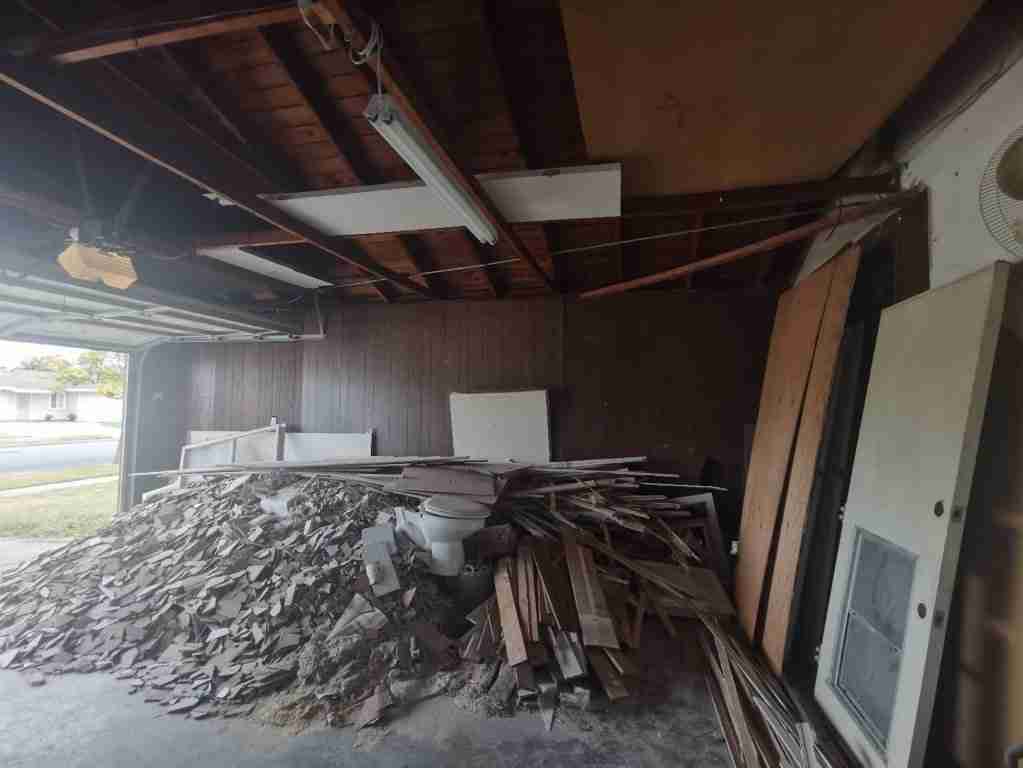
Debris Removal From Properties
Construction projects, whether they are large-scale commercial endeavors or small residential renovations, often generate significant amounts of debris. Proper debris removal is crucial for maintaining safety, aesthetics, and functionality in both construction sites and finished properties, including commercial buildings, backyards, attics, and basements. This article explores the importance of effective debris removal, the challenges involved, and the best practices to ensure a clean and safe environment. And it will save you time when hiring a professional
Why Debris Removal is Essential
1. Safety Concerns: Construction debris can pose serious safety risks. Sharp objects, heavy materials, and hazardous waste can lead to accidents that may harm workers and visitors. Regular debris removal minimizes these risks and ensures a safe working and living environment.
2. Regulatory Compliance: Various local and federal regulations govern waste disposal and construction practices. Failure to adhere to these regulations can result in hefty fines and delays. Proper debris removal ensures compliance with these laws and helps avoid legal issues.
3. Aesthetic Appeal: A clean construction site or property is more visually appealing. For commercial properties, first impressions matter. A cluttered and debris-filled site can deter potential customers or tenants. In residential areas, a tidy home environment enhances property value and neighborhood aesthetics.
4. Functionality: Excess debris can hinder the progress of construction projects. It can obstruct pathways, storage areas, and work spaces, making it difficult for workers to perform their tasks efficiently. In finished properties, debris can impede the use of spaces such as backyards, attics, and basements.
5. Environmental Responsibility: Proper disposal of construction debris is essential for minimizing environmental impact. Many materials can be recycled or repurposed, reducing landfill waste and promoting sustainability.
Debris Removal in Different Areas
1. Construction Sites: Active construction sites require frequent debris removal to keep the area organized and safe. This often involves hiring specialized waste management services capable of handling various materials, including wood, metal, concrete, and hazardous waste. Implementing a systematic debris removal schedule can help maintain site safety and efficiency.
2. Commercial Properties: Debris removal in commercial properties may involve clearing out old materials during renovations or after a construction project. Property managers should establish relationships with reliable waste disposal companies to ensure timely and compliant removal. Additionally, regular maintenance of common areas can prevent debris accumulation over time.
3. Backyards: Homeowners often overlook debris removal in backyards, where materials from renovations, landscaping, or storm damage can accumulate. Regularly cleaning the yard not only enhances its appearance but also prevents potential hazards like pests or injuries. Composting or recycling organic materials can also promote environmentally-friendliness.
4. Attics and Basements: These spaces often become catch-all’s for unused items and debris. During renovations or decluttering, it’s essential to remove old materials, furniture, and junk to create usable space. This not only improves the aesthetic but also reduces fire hazards, particularly in attics where insulation and other materials can be flammable.
Best Practices for Debris Removal
1. Plan Ahead: Before starting any construction or renovation project, create a debris removal plan. Consider the types of materials you will be disposing of and how they will be managed throughout the project.
2. Hire Professionals: When in doubt, consider hiring a professional debris removal service. These experts have the experience, equipment, and knowledge to handle various types of debris safely and efficiently.
3. Separate Materials: To enhance recycling efforts, separate materials into different categories, such as wood, metal, concrete, and hazardous waste. This makes it easier to dispose of them responsibly.
4. Establish a Schedule: Implement a regular debris removal schedule during construction to prevent accumulation. This can be daily, weekly, or after significant milestones.
5. Educate Workers: If you’re managing a construction site, educate workers about the importance of debris removal and safe disposal practices. Encouraging teamwork in keeping the site clean fosters a culture of safety and responsibility.
Conclusion
Effective debris removal is a critical aspect of construction and property management. By prioritizing cleanliness and safety across construction sites, commercial properties, backyards, attics, and basements, property owners can enhance the functionality, aesthetics, and safety of their spaces. Investing in proper debris management not only complies with regulations but also promotes environmental sustainability and responsible waste disposal. Whether through professional services or diligent planning, ensuring a clean environment pays off in the long run.