
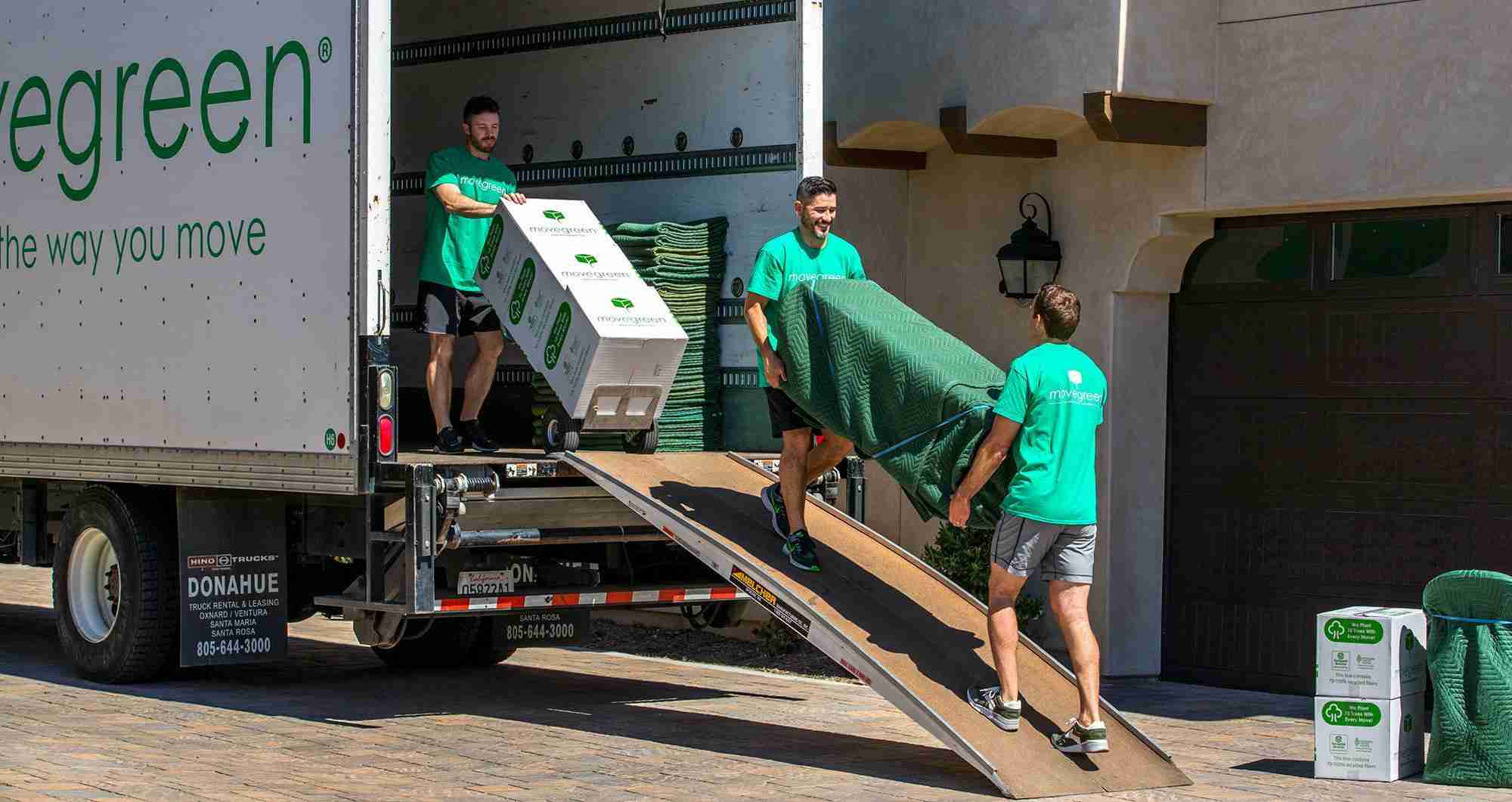
Tips For A Smooth Relocation
Long distance moving can be a daunting task, and when it involves relocating to a different city or state, the challenges multiply. Long-distance moving requires careful planning, organization, and execution to ensure a smooth transition. Whether you’re moving for a new job, family reasons, or simply for a change of scenery, this guide will provide you with essential tips and insights to make your long-distance move as seamless as possible
1. Start Planning Early Your Long Distance Moving
One of the most crucial steps in a successful long-distance move is planning your long-distance move well in advance. Ideally, it would help to begin your preparations at least two to three months before your moving date. This timeline allows you to:
Research and choose a moving company or decide whether you’ll handle the move yourself.
Create a detailed moving checklist that includes tasks like packing, notifying utilities, and updating your address.
– Sort through your belongings and decide what to keep, donate, or discard.
2. Create a long distance Moving Budget
Long-distance moves can be expensive, so it’s important to create a budget that encompasses all potential costs. Your budget should consider:
Moving company fees (if applicable)
Packing supplies (boxes, tape, bubble wrap)
Travel expenses (gas, food, lodging)
Insurance for your belongings
Any deposits or fees associated with your new home
By having a clear budget in place, you can avoid unexpected financial stress during the moving process.
3. Research Long Distance Moving Companies
If you decide to hire a moving company, take the time to research and compare options. Look for reputable companies with positive reviews and transparent pricing. Here are some factors to consider:
Licensing and Insurance: Ensure the moving company is licensed and offers insurance coverage for your belongings.
Services Offered: Some companies provide full-service moves, including packing and unpacking, while others may only transport your goods.
Quotes: Get written estimates from multiple companies to compare costs and services. Be cautious of unusually low estimates, as they may indicate hidden fees.
4. Declutter and Organize
Moving is the perfect opportunity to declutter your home. Go through each room and assess what items you truly need or want to keep. Consider donating, selling, or discarding items that no longer serve a purpose in your life. This not only reduces the volume of items to pack but can also save you money on moving costs.
5. Pack Strategically
Packing for a long-distance move requires a strategic approach:
Gather Packing Supplies: Invest in quality packing materials, including sturdy boxes, bubble wrap, packing paper, and tape.
Label Boxes: Clearly label each box with its contents and the room it belongs to. This will simplify unpacking later on.
Pack Essentials Separately: Create a separate box or bag for essential items you’ll need immediately upon arrival, such as toiletries, a change of clothes, important documents, and basic kitchen supplies.
6. Notify Important Parties
As your moving day approaches, make sure to notify essential parties of your change of address, including:
Utility companies (electric, gas, water, internet)
Banks and financial institutions
Subscription services (magazines, meal kits, etc.)
Your employer (if applicable)
Friends and family
Updating your address early will help ensure a seamless transition and prevent any interruptions in services.
7. Plan Your Long Distance Moving Travel
When moving long-distance, it’s important to plan your travel itinerary carefully. Consider:
Traveling by Car: If driving, plan your route and make reservations for accommodations if you’ll need to stop along the way.
Flying: If flying, book your tickets in advance and arrange transportation from the airport to your new home.
Pets: If you have pets, ensure you have a plan for their travel, including any necessary documentation or accommodations.
8. Settle into Your New Home
Upon arrival at your new home, take time to settle in:
Unpack Strategically: Start with essential rooms like the kitchen and bedrooms before tackling the rest of the house.
Explore Your New Community: Familiarize yourself with your new neighborhood, including local grocery stores, parks, and other amenities.
Meet Neighbors: Building connections with neighbors can help you feel more at home and provide valuable insights about your new area.
Conclusion
Long-distance moving can be a significant life change, but with careful planning and organization, it can also be an exciting adventure. By following these tips, you can alleviate much of the stress associated with relocating and ensure a successful transition to your new home. Remember, every move is an opportunity for a fresh start, and with the right approach, you can make the most of your new beginning. Happy moving!
