Repurposing and Recycling The Art of Transforming Junk Into Usable Items
In a world increasingly aware of environmental challenges, the notion of waste is evolving. What was once viewed as junk is now seen as a valuable resource, ripe with potential for transformation. Through the processes of repurposing and recycling, we can turn discarded junk into treasure, reducing landfill waste and fostering a more sustainable future.
The Journey of Junk Into Treasure
Every day, households generate a staggering amount of Junk. From plastic bottles and cardboard boxes to old electronics and furniture, the junk pile can quickly grow. Traditionally, the immediate response to this overflow has been to discard it all in landfills. However, the environmental impact of landfills—ranging from greenhouse gas emissions to soil and water contamination—has prompted a critical shift in how we view waste.
Repurposing: Breathing New Life into Old Items
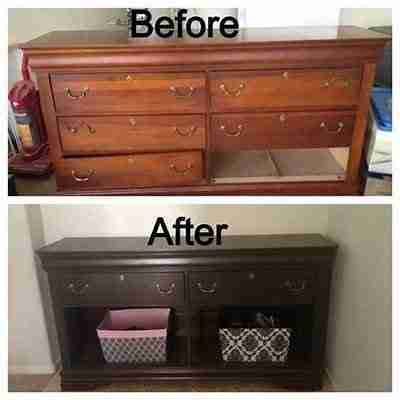
Transforming junk into treasure or Repurposing is the creative process of taking used items and giving them a new function. This practice not only reduces waste but also encourages innovation and creativity. For instance, glass jars can be transformed into stylish storage containers, wooden pallets can become rustic furniture, and old clothes can be upcycled into fashionable tote bags.
Crafting communities and DIY enthusiasts are at the forefront of this movement, showcasing how a little creativity can turn everyday junk into treasure something extraordinary. Online platforms and social media have further fueled this trend, providing inspiration and tutorials for those looking to embark on their own repurposing projects.
Recycling: The Science of Transformation
While repurposing relies on creativity, recycling is rooted in science. It involves breaking down materials so they can be remade into new products. This process is vital for reducing the need for raw materials, conserving energy, and minimizing pollution. Recycling common materials like paper, glass, and metals can significantly lessen the burden on landfills.
For instance, recycling aluminum cans saves up to 95% of the energy required to produce new cans from raw materials. Similarly, recycling one ton of paper can save approximately 17 trees, 7,000 gallons of water, and 4,100 kilowatts of electricity. These statistics highlight the profound impact recycling has on resource conservation and environmental protection.
The Economic Benefits
Beyond environmental advantages, repurposing and recycling create economic opportunities. The recycling industry has become a significant source of employment, providing jobs in collection, processing, and manufacturing. Additionally, businesses that incorporate recycled materials into their production processes often benefit from reduced costs and a positive public image.
Moreover, the growing demand for sustainable products has opened new markets for repurposed items. Consumers are increasingly seeking unique, eco-friendly goods, leading to the rise of thrift stores, flea markets, and online marketplaces dedicated to upcycled and recycled products.
A Collective Responsibility
As individuals, we play a crucial role in this transformation. By being mindful of our consumption and waste, we can actively participate in the cycle of repurposing and recycling. Simple actions like sorting recyclables, donating items instead of throwing them away, and choosing products made from recycled materials can have a meaningful impact.
Communities also have a responsibility to facilitate these practices. Educational programs, recycling initiatives, and local workshops on repurposing can empower citizens to take part in the movement towards sustainability.
Conclusion
The journey from junk to treasure illustrates a powerful shift in our relationship with waste. Through repurposing and recycling, we can reduce landfill contributions, conserve resources, and foster creativity and innovation. By embracing these practices, we not only protect our environment but also unlock the hidden potential in what we once considered trash. As we continue to redefine waste, we can pave the way for a greener, more sustainable future.
FAQs
What do we do with the junk we collect?