When you need to get rid of unwanted items, you might wonder if recycling or dumping is the better choice. The key difference is that recycling reduces waste by turning materials into new products, while dumping sends everything to a landfill, which harms the environment. Knowing this helps you make decisions that benefit both your space and the planet.
Handling junk responsibly is simple. Our team at Green Planet Hauling in Orange County focuses on eco-friendly junk removal by prioritizing recycling and proper disposal. This approach means less clutter for you and less trash in landfills.
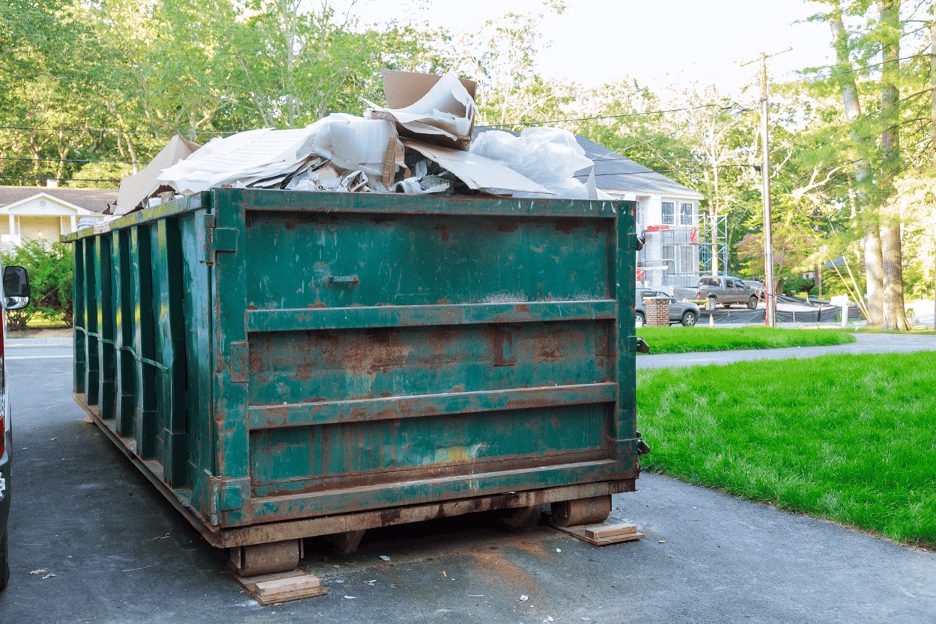
Understanding Recycling VS Dumping
Knowing the differences between recycling and dumping helps you make better choices about waste. Understanding what materials are involved and how these practices evolved supports better actions for your home or business.
Definitions and Key Differences
Recycling processes waste to create new materials. It lowers the need for raw resources and limits waste sent to landfills. Dumping, or landfill disposal, means throwing away trash without recovering usable parts.
Recycling keeps materials in use longer. Dumping stores waste, which can lead to pollution and crowded landfills. You can separate recyclables like paper, plastics, and metals before disposal to reduce environmental impact. Many landfills now ask you to sort your trash.
Choosing recycling helps conserve space and avoids environmental harm. Dumping is faster but often less responsible. Green Planet Hauling makes junk removal easy and eco-friendly to maximize recycling and reduce landfill waste.
Common Materials Involved
The most common recyclable materials include:
- Paper and cardboard
- Plastics labeled #1 and #2
- Aluminum cans and tin
- Glass bottles and jars
- Certain electronics and batteries
Dumping usually involves general household trash, food waste, furniture, and broken items that are not sorted or reused. Hazardous waste like paint or chemicals needs special handling and should not go directly to a landfill.
When you recycle, you separate these key items from regular trash. This reduces what ends up dumped and helps you follow local rules. Some services also focus on donating or repurposing items to keep them out of landfills.
Historical Context
For decades, dumping waste in landfills was the main disposal method. Originally, landfills were simple pits far from cities. As populations grew, landfills became larger and more regulated to limit pollution.
Recycling became important in the 1970s as awareness of environmental issues grew. Communities set up recycling centers and regulations to reduce landfill use. Today, recycling plays a crucial role in waste management, supported by local laws and Green Planet Hauling, as we specialize in eco-friendly junk removal.
Over time, recycling has reduced landfill dependence, improved resource conservation, and lowered risks to soil and water.
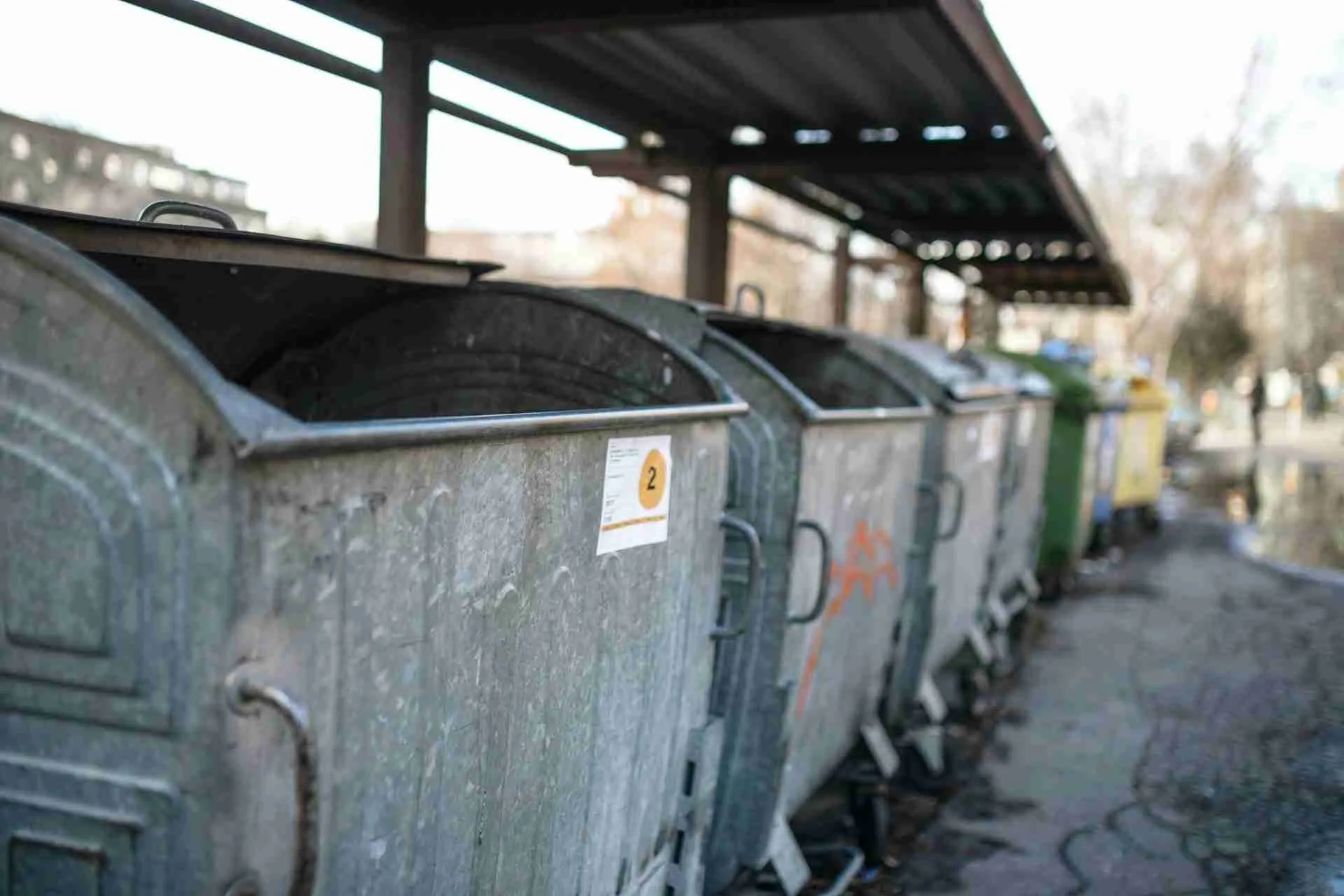
Environmental Impact of Recycling
Recycling keeps waste out of landfills and lowers pollution. It saves natural resources and cuts down gases that cause climate change. These effects protect the environment and improve public health.
Reduction of Pollution
When you recycle, less trash goes into landfills, reducing the risk of soil and water contamination from harmful chemicals. Landfills often leak pollutants into nearby areas. Recycling keeps more waste out and avoids this problem.
Air pollution drops because recycling cuts the need to burn or bury waste. For example, recycling aluminum reduces mining, which limits dust and toxic emissions. At Green Planet Hauling, we focus on recycling to reduce pollution in Orange County, CA.
By choosing recycling over dumping, you help keep your community cleaner and safer.
Conservation of Resources
Recycling preserves natural resources like trees, minerals, and water. Making new products from recycled materials uses less raw material than starting from scratch. For example, recycling aluminum cans saves up to 95% of the energy compared to producing new ones from bauxite ore.
Here’s what recycling saves you:
- Trees and forests by recycling paper products
- Water and minerals by recycling metals and plastics
- Energy used in extraction and manufacturing
This conservation means fewer resources are wasted, and ecosystems stay healthier. When you recycle, you help protect these vital materials for future use.
Lowering Greenhouse Gas Emissions
Greenhouse gases come from manufacturing new materials and waste decomposing in landfills. Recycling lowers these emissions by reusing existing materials, which requires less energy.
For example, recycling metals produces far fewer carbon emissions than mining and refining new metals. Also, keeping organic waste out of landfills stops methane, a strong greenhouse gas, from forming during decomposition.
By choosing recycling, you directly reduce your carbon footprint. It’s a step toward slowing climate change and improving air quality in your neighborhood. We make it easier to recycle responsibly during junk removal and clean-outs.
Environmental Impact of Dumping
Dumping waste without proper care harms your surroundings. It can pollute soil and water, damage wildlife habitats, and increase harmful greenhouse gases. Knowing these effects helps you make better choices for junk removal and disposal.
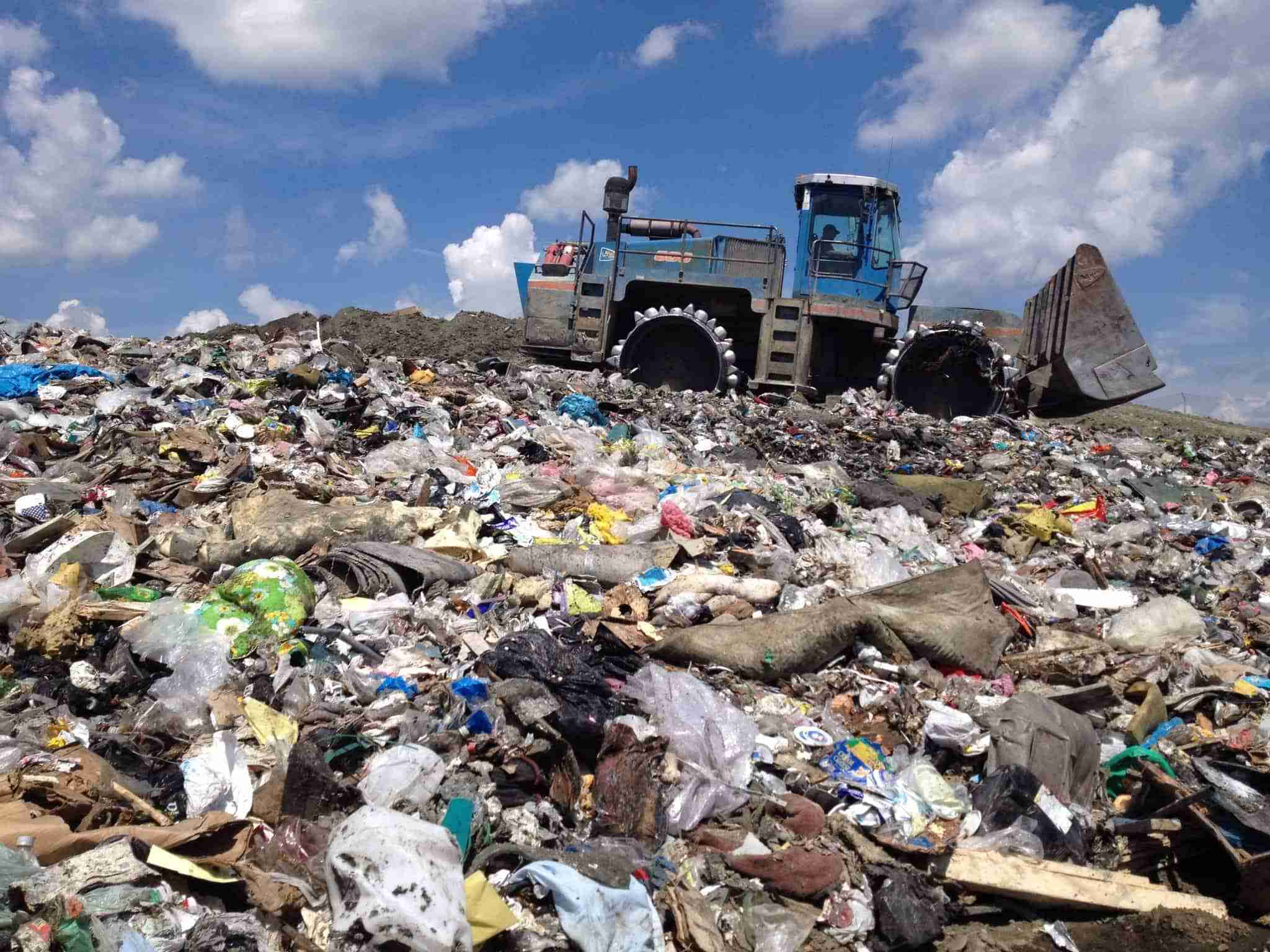
Soil and Water Contamination
When trash is dumped, chemicals and toxins can seep into the ground. This weakens soil quality and makes it unsafe for plants or crops. Harmful substances like heavy metals or plastics can travel through soil and reach underground water sources.
Contaminated water is dangerous for your home and community. It can poison drinking water and hurt fish and other aquatic life. Rain can carry pollution from dumping sites into rivers or lakes, spreading damage farther than just the dump area.
Effects on Wildlife and Ecosystems
Dumped waste disrupts natural habitats where animals live and find food. Sharp objects, plastics, and chemicals can injure or kill wildlife. Small animals may mistake trash for food, which can cause choking or poisoning.
The balance of ecosystems can collapse when pollution damages key species. This can lead to fewer plants, birds, and insects where you live. Dumping also slows the natural recycling of nutrients in the soil, making it harder for ecosystems to recover.
Contribution to Climate Change
Dumping waste in landfills produces greenhouse gases like methane. Methane is much stronger than carbon dioxide in trapping heat in the atmosphere. This speeds up global warming and leads to extreme weather you might experience.
Rotting organic waste contributes the most methane. If you dump food scraps or garden waste instead of recycling them, you add to this problem. Responsible waste handling reduces landfill loads and lowers harmful emissions.
Economic Perspective: Cost and Benefit
Understanding the financial side of recycling versus dumping helps you make smart choices. You face trade-offs between upfront costs and long-term savings, plus the value recycled materials can bring to the market.
Short-Term and Long-Term Costs
Dumping waste usually costs less at first. You pay for dumping fees and transport, which can be quick and simple. However, these savings are often short-lived. Landfills can fill up, leading to higher fees over time and the need to find new dumping sites.
Recycling may have higher upfront expenses. Sorting, processing, and transporting recyclables require extra work and advanced facilities. But in the long run, recycling saves money by reducing landfill use and creating materials you can reuse.
Market Demand for Recycled Materials
The value of recycled items depends on market demand, which can change. Metals, paper, and plastics have fluctuating prices based on global needs. When demand is high, recycling can generate revenue or save money by replacing new materials.
Low demand means some recyclables might cost more to process than they’re worth. This can affect your decision on what to recycle.
Recycling also supports jobs and industries in your community. By choosing eco-friendly options, you help create a stable market for recycled goods while keeping your costs reasonable.
Social Consequences of Waste Management Choices
Your choice between recycling and dumping affects more than just the environment. It also impacts public health and the well-being of local communities.
Public Health Implications
Dumping waste improperly can lead to serious health problems for you and your neighbors. Landfills may produce harmful gases like methane, which can cause breathing issues. Toxic chemicals from dumped waste can seep into the soil and water, raising the risk of illnesses such as cancer and infections.
Recycling helps reduce these risks by lowering the amount of waste that ends up in landfills. It also cuts down on the spread of pests like rats and flies, which spread disease. Choosing responsible junk removal services can protect your health by ensuring waste is handled safely and recycled where possible.
Impact on Local Communities
How your community manages waste shapes its safety and quality of life. Dump sites can attract illegal dumping, lower property values, and create unpleasant odors. They may also limit space for parks or housing, hurting your neighborhood’s growth.
Recycling boosts the local economy by creating jobs and reducing landfill costs. It keeps public spaces cleaner and can improve neighborhood pride. When you use eco-friendly services like us, you help keep Orange County clean and livable for everyone. This choice supports both your community’s health and its future.
Policy and Regulation Overview
Laws and rules guide how waste is handled to protect health and the planet. You need to know about these rules because they affect how your junk must be disposed of or recycled. Understanding these policies helps you follow best practices and avoid fines or problems.
Global and Local Legislation
International agreements set broad goals for reducing waste and boosting recycling. Countries follow these goals but make their own rules to fit local needs. In the U.S., laws like the Resource Conservation and Recovery Act (RCRA) regulate waste management at a federal level.
In Orange County, California, stricter rules apply. Local governments require proper sorting of recyclables, organics, and landfill waste. These laws encourage reducing landfill use by focusing on recycling and donation.
When you hire a junk removal service, look for companies that follow these laws. We operate in Orange County and meet local legal standards while promoting eco-friendly junk removal.
Waste Management Standards
Standards make sure waste is collected, processed, and disposed of safely. These standards cover:
- Types of materials accepted for recycling
- Handling hazardous waste
- Documentation for waste disposal
- Recycling rates and reporting
These rules protect health by reducing pollution and conserve resources by reusing materials. When you discard items, following these standards helps ensure your waste does not harm the environment.
Using services that prioritize recycling and donation makes a big difference. We emphasize responsible disposal and help you keep your junk out of landfills whenever possible.
Challenges and Limitations of Recycling
Recycling is helpful, but it also has real obstacles that affect how well it works. Problems like non-recyclable materials mixed in and the cost of sorting or transporting items can cause delays or reduce the value of recycled goods.
Contamination Issues
One of the biggest challenges with recycling is contamination. When non-recyclable waste like food scraps, plastic bags, or broken items mix into your recycling bin, it can spoil entire batches of recyclable materials.
Contaminated recycling often ends up in landfills because cleaning it is too costly or difficult. For example, greasy pizza boxes or liquids left in containers cause problems in the sorting process.
To avoid contamination, rinse out containers, skip plastic wrap, and keep hazardous items like batteries separate. We help ensure your recyclables meet proper standards during collection and processing.
Economic and Logistical Barriers
Recycling depends on market demand and transportation costs. Sometimes the price for recycled products drops below the cost to collect and process them, making recycling less profitable.
Limited access to recycling centers can also be a problem, especially in remote or under-served areas. Hauling and sorting services need infrastructure, and without efficient routes or facilities, costs rise.
Local recycling programs may reduce services or raise fees when markets slump. We work to improve efficiency by combining junk removal with responsible disposal and recycling strategies.
Risks and Consequences of Illegal Dumping
Illegal dumping creates serious problems for you and your community. You may face fines or legal action, and it can cause lasting damage to the environment. Understanding these risks helps you avoid trouble and support cleaner surroundings.
Legal Repercussions
If you dump waste illegally, you could be fined or even face criminal charges. In Orange County, fines for illegal dumping can reach thousands of dollars per incident. Authorities take this seriously because dumping hurts public health and safety.
Repeat offenses might bring harsher penalties, including jail time. Businesses caught dumping waste illegally may also lose licenses or face lawsuits. You risk paying not just for cleanup costs but also for legal fees.
To avoid these problems, contact us. We follow strict rules for eco-friendly junk removal and proper disposal.
Long-Term Environmental Damage
Illegal dumping pollutes soil, water, and air for years. Harmful chemicals from dumped waste seep into the ground, contaminating drinking water and harming plants and animals.
Trash piles attract pests such as rats and mosquitoes, which spread disease. It also harms wildlife by disrupting their homes or causing injury. Once the environment is damaged, recovery can take decades.
Choosing responsible disposal protects your neighborhood and keeps Orange County clean and safe.
Innovative Solutions and Future Trends
New methods are changing how waste is managed. Improved technology and smarter systems make recycling more efficient and reduce what ends up in landfills.
Advances in Recycling Technology
Recycling technology now uses machines with better sensors that sort materials faster and more accurately. Plastics, metals, and paper get separated better, so more can be reused instead of dumped.
Chemical recycling breaks down plastics to their basic building blocks. This process handles plastics that standard recycling can’t, reducing landfill waste even further.
Some facilities use AI and robotics to speed up sorting. These tools catch mistakes humans might miss, improving the quality of recycled materials.
With these technologies, recycling becomes more reliable. This reduces pollution and supports cleaner practices in your community.
Circular Economy Initiatives
A circular economy designs products and systems so materials are reused continuously instead of thrown away. This approach cuts waste and preserves resources.
You’ll see more products made to be repaired, reused, or recycled easily. Some companies and cities encourage you to return old items for repair or recycling programs.
Local programs in places like Orange County support these ideas by making it easier to recycle items safely and encouraging you to reduce what you throw out.
You can help by choosing to recycle, donate, or repurpose rather than just toss things away. This keeps useful materials in use and lowers waste in your area.
How to Make Responsible Choices
When deciding between recycling and dumping, start by sorting your items. Separate what can be reused, recycled, or donated from what must be thrown away. This small step helps reduce landfill waste.
Use this quick checklist to guide you:
| Item Type | Action |
| Electronics | Take to an e-waste facility |
| Furniture | Donate or recycle if possible |
| Metals | Recycle through scrap yards |
| Hazardous materials | Use special disposal services |
If you’re unsure about how to handle certain items, reach out to our team. We offer quick, eco-friendly junk removal in Orange County and help you avoid sending useful stuff to the landfill.
Always ask if an item can be repaired or repurposed before tossing it. You’ll save resources and limit environmental harm.
When scheduling junk removal, choose companies that prioritize recycling and donation. This helps keep the planet cleaner and your cleanup stress-free.
Responsible disposal is not only about what you throw away but also how you clear space without harming the environment. Simple, intentional choices make a big difference.
Moving Day Junk Removal Checklist Essentials For A Smooth Relocation Take All Sorts Of Items
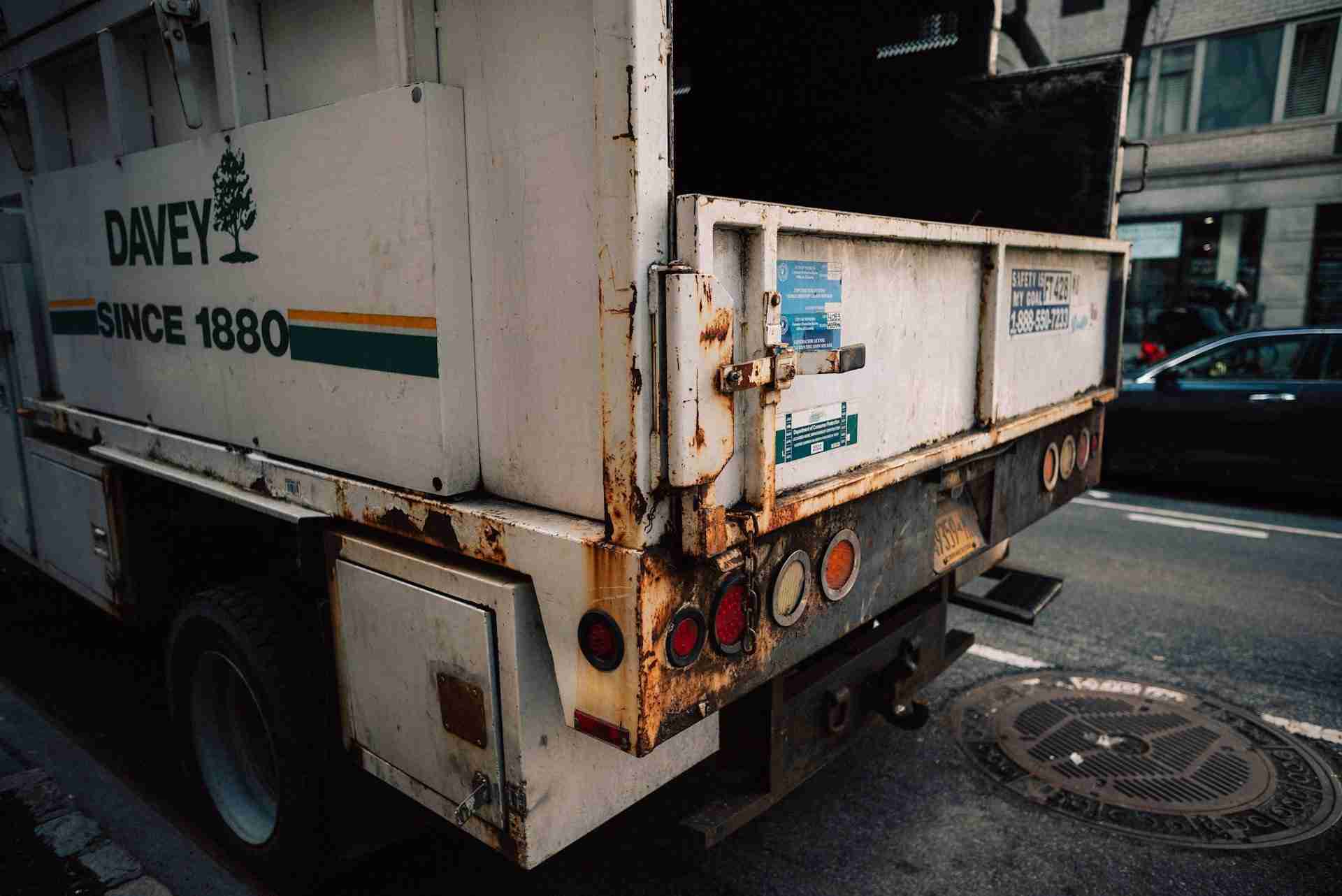
We Take All Sorts Of Items
If you find yourself with a lot of clutter, let us help you get rid of your unwanted items. From rubbish removal, miscellaneous junk pick up, industrial equipment, discontinued inventory, backyard cleanouts, shed demolition and removal, carpet removal, clothing, electronics removal, office furniture, clean ups and much more. We will make sure it will be disposed of responsibly.
Frequently Asked Questions
Recycling and dumping have different costs, environmental effects, and processes. Understanding these differences helps you make better decisions about waste disposal. Knowing common mistakes and the challenges of recycling also improves how you manage your waste.
How does the cost of recycling compare to landfill disposal?
Recycling usually costs more than dumping in a landfill because it requires sorting, cleaning, and processing materials. Landfills charge less upfront but can have hidden costs like environmental cleanup and long-term monitoring.
What are the environmental impacts of recycling versus using landfills?
Recycling reduces the need for new raw materials and lowers greenhouse gas emissions. Landfills release methane, a potent greenhouse gas, and take up land space, often affecting nearby ecosystems.
How do the processes of recycling and landfill operation differ?
Recycling involves collecting, sorting, cleaning, and reprocessing materials to be reused. Landfill operations focus on compacting waste and covering it to reduce odors and pests but do not reuse the materials.
Why is recycling considered important for sustainability?
Recycling conserves natural resources and reduces pollution. It helps cut down on landfill waste and energy use, making it a key part of sustainable waste management.
What factors contribute to the high costs associated with recycling programs?
High costs come from labor-intensive sorting, the need for specialized equipment, transportation of recyclable items, and fluctuating market prices for recycled materials. These expenses often make recycling operations more complex.
What are the most common errors people make when recycling?
Common mistakes include putting food waste in recycling bins, mixing different types of recyclables, and adding non-recyclable items to recycling bins. These errors often send entire batches to landfills.
Companies like Green Planet Hauling in Orange County recycle as much as possible and offer quick, reliable junk removal. They help you keep waste out of landfills without added stress.
What’s your service area in Orange County CA?
Green Planet Hauling serves all 34 cities in Orange County Ca. including La Habra, Cerritos, Cypress, Huntington Beach, Westminster